

Per un sorriso senza compromessi. IPS Empress CAD è una vetroceramica altamente estetica rinforzata con leucite e sviluppata in modo specifico per la produzione efficiente di restauri di dente singolo interamente anatomici, con l’utilizzo del CAD/CAM.
IPS Empress CAD è una soluzione restaurativa clinicamente comprovata che offre una traslucenza di effetto naturale[1] e un aspetto armonioso.
Vantaggi per l’odontoiatra

Effetto camaleontico
Ispirato alla natura: l’accentuato effetto camaleontico crea una transizione cromatica armoniosa con la struttura del dente naturale.
Facile e veloce: non è necessaria la cottura
Dopo la fresatura, i restauri chairside sono lucidati a specchio con gli strumenti per lucidatura OptraGloss o OptraGloss Extra Oral; senza la necessità di cottura di glasura o forno per ceramica. Restauri CAD/CAM con eccellente precisione di adattamento e resistenza alla flessione di 185 MPa[2].
Comprovato utilizzo clinico
Vetroceramica di comprovata affidabilità clinica dal 1998, con un tasso di sopravvivenza del 97% dopo sette anni delle corone parziali[3] e un tasso di sopravvivenza del 97,8% dopo 5 anni delle faccette in ceramica realizzate in studio[4].
Cementazione ideale con Variolink Esthetic
Elevata forza di adesione e cementazione adesiva affidabile con Variolink® Esthetic e il primer automordenzante Monobond® Etch & Prime, entrambi progettati per un’ottimale compatibilità con IPS Empress CAD[5].
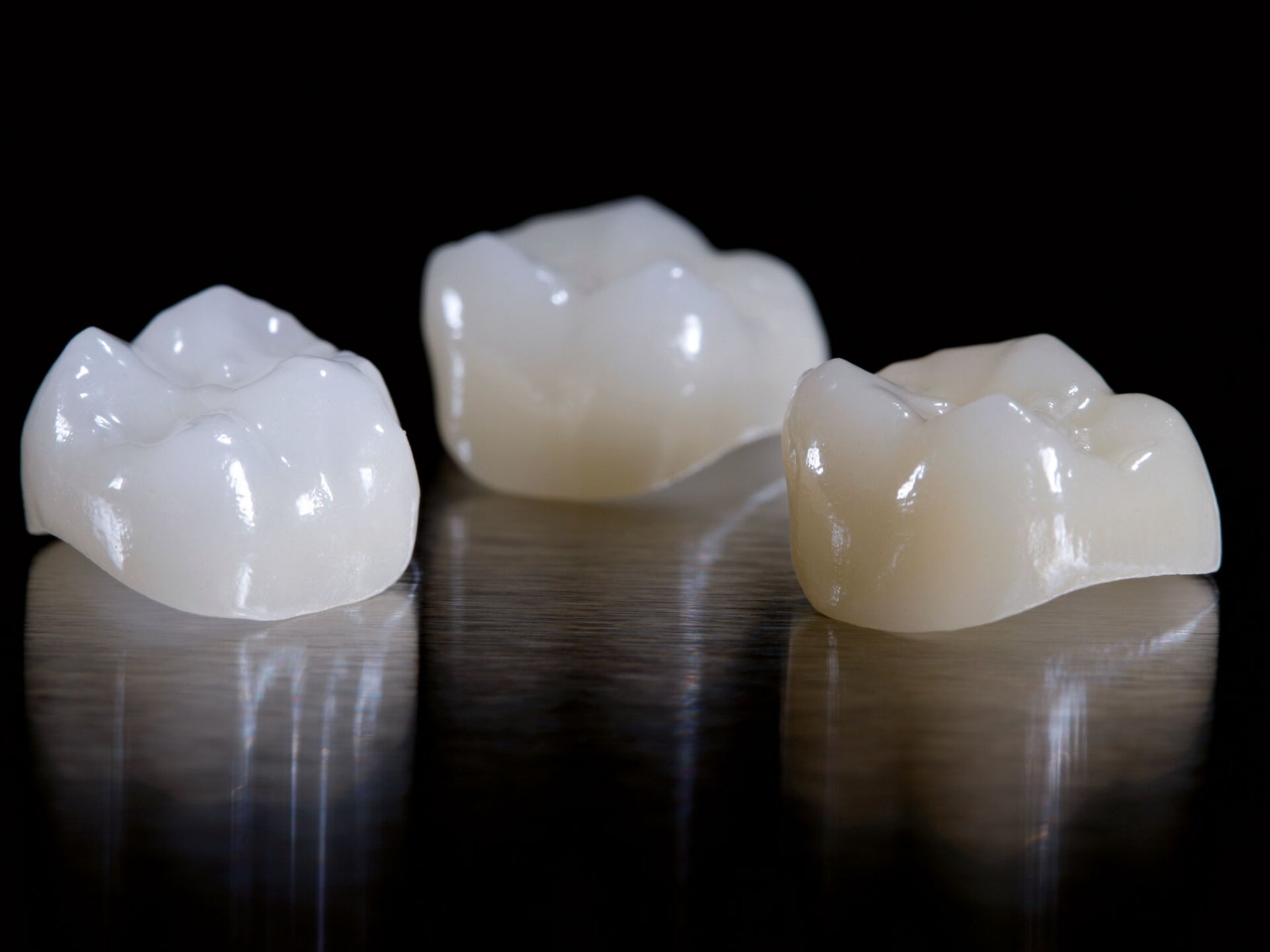
I blocchetti IPS Empress CAD sono disponibili in due livelli di traslucenza e come blocchetti policromatici multi.
Blocchetti Multi per un’estetica eccellente senza caratterizzazione
Blocchetti policromatici che si distinguono per un naturale decorso cromatico e fluorescente, dalla dentina all'area incisale.
Blocchetti policromatici che si distinguono per un naturale decorso cromatico e fluorescente, dalla dentina all'area incisale.
Blocchetti HT per restauri di piccole dimensioni
Blocchetti ad elevata traslucenza, particolarmente adatti a fresare restauri di dimensioni ridotte (per es. inlay) grazie al loro effetto camaleontico dall’effetto naturale.
Blocchetti ad elevata traslucenza, particolarmente adatti a fresare restauri di dimensioni ridotte (per es. inlay) grazie al loro effetto camaleontico dall’effetto naturale.
Blocchetti LT per restauri più estesi
Blocchetti a bassa traslucenza che grazie al loro croma e valore di luminosità, sono ideali per la realizzazione di restauri più estesi (per es. corone parziali, corone).
Blocchetti a bassa traslucenza che grazie al loro croma e valore di luminosità, sono ideali per la realizzazione di restauri più estesi (per es. corone parziali, corone).
Gamma dei colori: colori A-D e colori Bleach
I blocchetti IPS Empress CAD sono disponibili nei colori A–D e in brillanti colori Bleach.
La disponibilità dei colori varia in base al livello di traslucenza.
I blocchetti IPS Empress CAD sono disponibili nei colori A–D e in brillanti colori Bleach.
La disponibilità dei colori varia in base al livello di traslucenza.
Faccette su 13 - 22 (#6-10) realizzate in IPS Empress CAD Multi nel lungo periodo

Flusso di lavoro efficiente

Fresatura
Dopo il processo di fresatura, il restauro mostra un’eccellente precisione di adattamento e una struttura superficiale omogenea.[6]
Dopo il processo di fresatura, il restauro mostra un’eccellente precisione di adattamento e una struttura superficiale omogenea.[6]

Lucidatura
Grazie alle superfici facilmente lucidabili, in soli pochi minuti si possono ottenere lucentezza di effetto naturale e estetica eccellente.
Grazie alle superfici facilmente lucidabili, in soli pochi minuti si possono ottenere lucentezza di effetto naturale e estetica eccellente.

Cementazione
IPS Empress CAD aiuta l’odontoiatra ad ottenere risultati di alta qualità in tempi molto brevi.
IPS Empress CAD aiuta l’odontoiatra ad ottenere risultati di alta qualità in tempi molto brevi.
The following systems have been tested and validated in close collaboration with the respective manufacturers to ensure consistent, reproducible results and reliable processing of IPS Empress CAD:
Dentsply Sirona
- CEREC Primemill
- CEREC MC XL
- CEREC MC X
- CEREC MC
- inLab MC X5
- inLab MC XL
- CEREC Primemill
- CEREC MC XL
- CEREC MC X
- CEREC MC
- inLab MC X5
- inLab MC XL
Planmeca
- PlanMill 40 S
- PlanMill 40
- PlanMill 30 S
- PlanMill 40 S
- PlanMill 40
- PlanMill 30 S
Amann Girrbach
- Ceramill Matik
- Ceramill Matron
- Ceramill Motion 3
- Ceramill Motion 2
- Ceramill Motion DRS
- Ceramill Matik
- Ceramill Matron
- Ceramill Motion 3
- Ceramill Motion 2
- Ceramill Motion DRS
Ivoclar
- PrograMill® PM7
- PrograMill® PM3 / PM5
- Zenotec® select hybrid
- PrograMill® PM7
- PrograMill® PM3 / PM5
- Zenotec® select hybrid
Domande frequenti su IPS Empress CAD
IPS Empress CAD è una vetroceramica rinforzata con leucite. Il materiale è composto da una fase vetrosa e una cristallina. Il rinforzo in leucite garantisce una resistenza affidabile, proprietà ottiche dall’effetto naturale e un’estetica eccellente.
IPS e.max CAD è costituito da vetroceramica al disilicato di litio e offre un’elevata resistenza alla flessione (530 MPa [7]), caratteristiche che lo rendono ideale in aree con elevato carico occlusale. IPS Empress CAD utilizza una vetroceramica rinforzata con leucite e offre risultati estetici eccellenti che lo rendono particolarmente adatto per restauri anteriori dove l’estetica è fondamentale.
I due materiali si differenziano notevolmente in termini di lavorazione termica. IPS e.max CAD viene lavorato allo stato pre-cristallizzato, quindi richiede una cottura di cristallizzazione. Diversamente, IPS Empress CAD viene fornito già nel suo stato finale, pertanto non è necessaria alcuna cottura del restauro fresato. Entrambi i materiali possono essere caratterizzati ulteriormente con IPS e.max CAD Crystal; in questo caso è necessaria una ulteriore cottura di glasura per entrambi IPS Empress CAD e IPS e.max CAD.
I restauri in IPS Empress CAD sono concepiti per la cementazione adesiva. Se utilizzati con Variolink® Esthetic e Adhese® Universal, offrono una soluzione di cementazione affidabile. In più, il primer automordenzante Monobond Etch & Prime semplifica la procedura combinando la mordenzatura e la silanizzazione in un unico passaggio.
Il disilicato di litio è un composto chimico appartenente al gruppo delle vetroceramiche.
Lo spessore minimo della parete necessario per i restauri in IPS Empress CAD dipende dal tipo di restauro da realizzare. Per ulteriori dettagli consultare le Istruzioni d’uso..
Sì. Dopo la fresatura in un dispositivo CAD/CAM autorizzato, il restauro può essere lucidato a specchio con gli strumenti per lucidatura OptraGloss o OptraGloss Extra-Oral e immediatamente cementato, senza la necessità di una cottura di glasura nel forno per ceramica. Questo permette di realizzare rapidamente il prodotto in studio, riducendo notevolmente i tempi e il lavoro necessari.
Sì. IPS Empress CAD è compatibile con un’ampia gamma di sistemi CAD/CAM. E’ stato convalidato per l’uso con PrograMill® (Ivoclar), CEREC® (Dentsply Sirona), PlanMill® (Planmeca) e Ceramill® (Amann Girrbach). Per risultati ottimali, raccomandiamo di consultare l’elenco aggiornato dei sistemi partner autorizzati per assicurare la compatibilità con la vostra configurazione specifica.

Cerec®, inLab®, PlanMill® und ceramill® non sono marchi registrati Ivoclar Vivadent AG.
[1] In condizioni di luce naturale. La luce LED UV o similare può creare un’impressione visiva fuorviante.
[2] Resistenza alla flessione biassiale media, risultati dopo oltre 10 anni di test continui di qualità, R&S Ivoclar Schaan.
[3] Guess P.C., et al., Int J Prosthodont, 2013, pp. 21–25.
[4] Nejatidanesh F., et al., J Prosthodont Res, 2018, pp. 462–467.
[5] Salem SK, et al., EDJ, 2019 (65), pp. 1853–64, dati aggiuntivi in archivio.
[6] Zimmermann M., et al., Journal of Prosthodontics , 2019, e504e509, dati aggiuntivi in archivio.
[7] Resistenza alla flessione biassiale media, risultati dopo oltre 10 anni di test continui di qualità, R&S Ivoclar Schaan.