

Dental laboratories today must balance efficiency with long‑term clinical outcomes. IPS e.max Press supports you in this, as the durable, esthetic press ceramic is suitable for analog and digital workflows: from conventional wax-up to advanced Digital Press Design, IPS e.max Press delivers outstanding results. Discover the versatile options that define IPS e.max Press.
The lithium disilicate glass-ceramic combines impressive esthetics, refined optical properties and exceptional accuracy of fit. Long-term studies confirm an average survival rate of 95.3%[1]. The biological ageing process of lithium disilicate closely follows that of natural teeth both in function and esthetics, creating ideal conditions for long-lasting restorations.
- Veneers (≥ 0.3 mm)
- Inlays
- Onlays (incl. occlusal veeners of ≥1.0 mm), partial crowns
- Crowns (≥ 1.0 mm in the anterior and posterior region)
- 3-unit bridges up to the second premolar as the terminal abutment
- Implant-supported single-tooth restorations (abutments & abutment crowns)
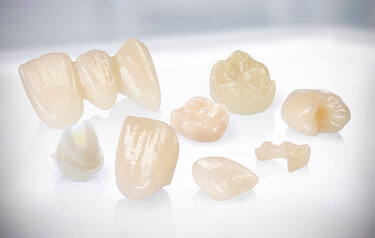
- Translucency levels (HT, MT, LT, MO and HO)
- Polychromatic Multi ingots
- Impulse ingots
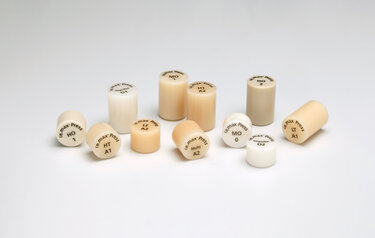
IPS e.max Press pays off, allowing up to 4 IPS e.max Press Multi crowns or, depending on the restoration type, 6 –12 IPS e.max Press restorations to be fabricated in a single press cycle.
With average survival rates of 95.3% in clinical studies spanning up to 16.9 years, IPS e.max Press is the most comprehensively documented press ceramic available – clear evidence of the material's consistent quality and the trust of long-standing users. No other material of this type offers comparable long-term data.
Studies by Dr Malament and his team report survival rates of 99.6% in anterior and posterior crowns over 10 years, and 98.6% in crowns, inlays and onlays in anterior and posterior teeth over 14.1 years[2].
A study by Prof. Dr Edelhoff[3] shows that monolithic restorations in the posterior region and veneered restorations in the anterior region achieved a 100% survival rate over up to 13 years, even in patients with moderate to severe tooth wear.
Find out more in the Scientific Report or the IPS e.max Press Whitepaper
Lithium disilicate glass-ceramic is designed to match the strength and hardness of natural teeth. This allows it to age at a comparable rate as natural tooth structure. As a result, the material's surface characteristics and morphologogy change over time in harmony with the neighbouring teeth - helping to maintain a natural appearance and occlusal stability over the long term.
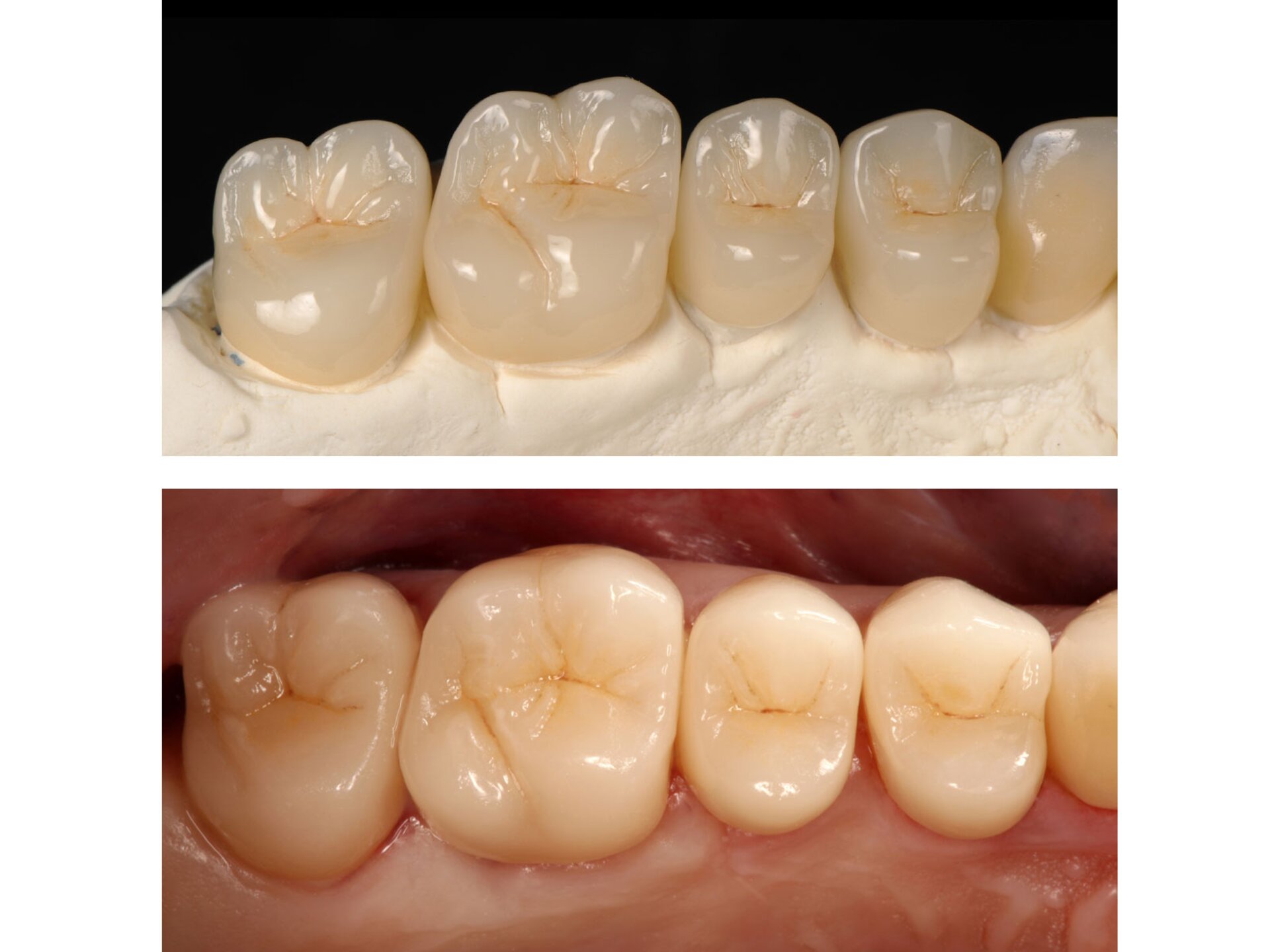
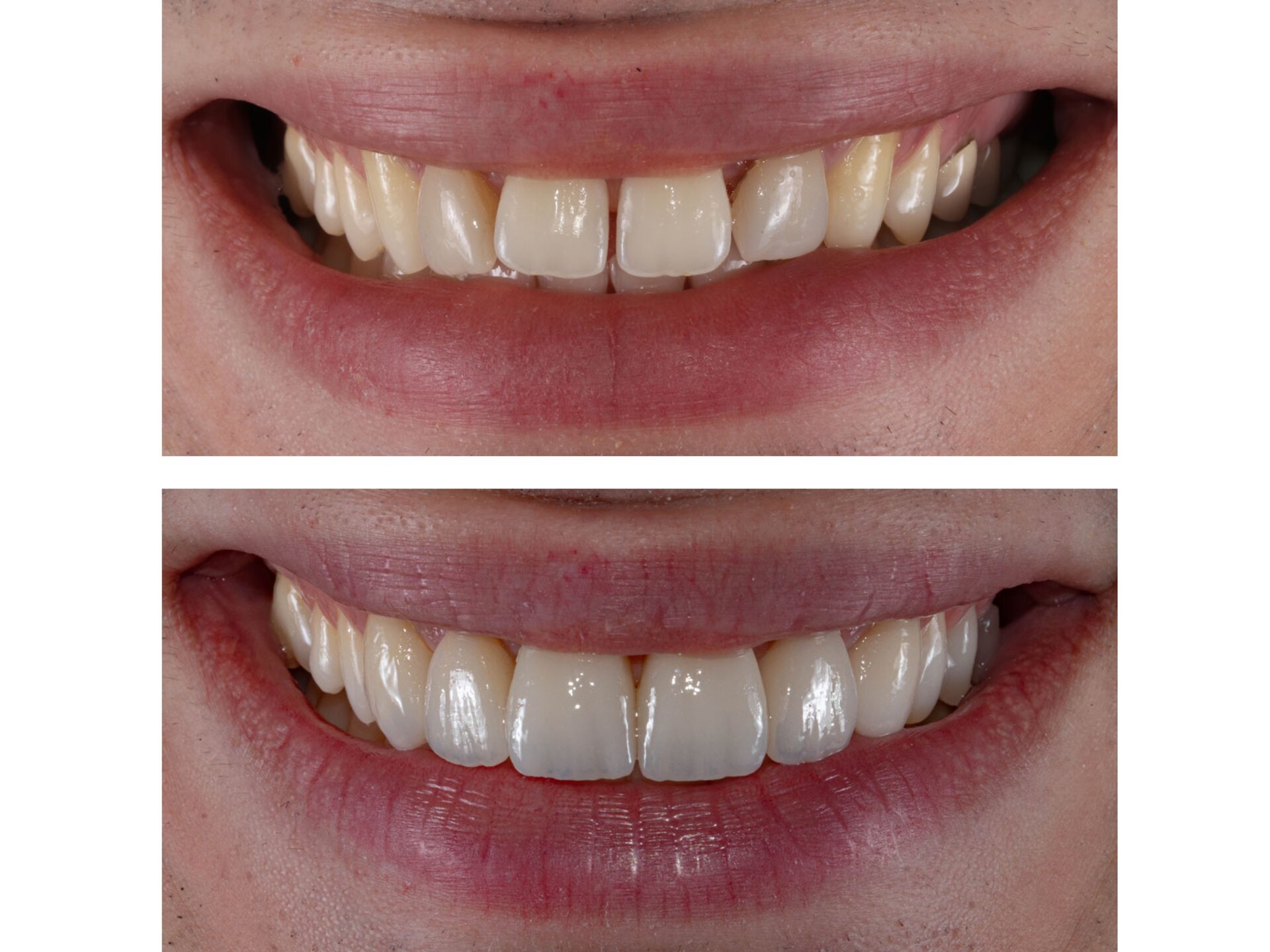
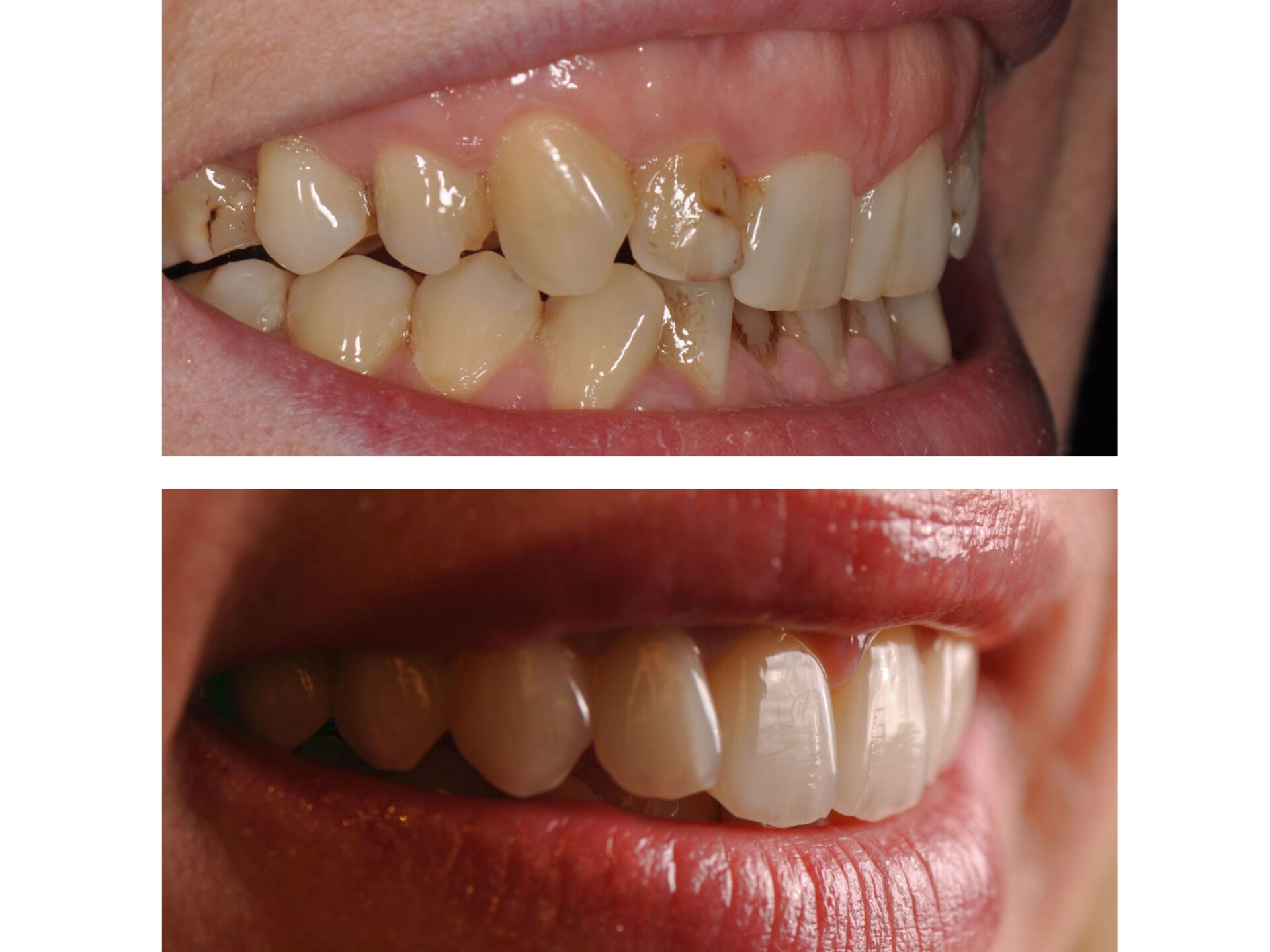
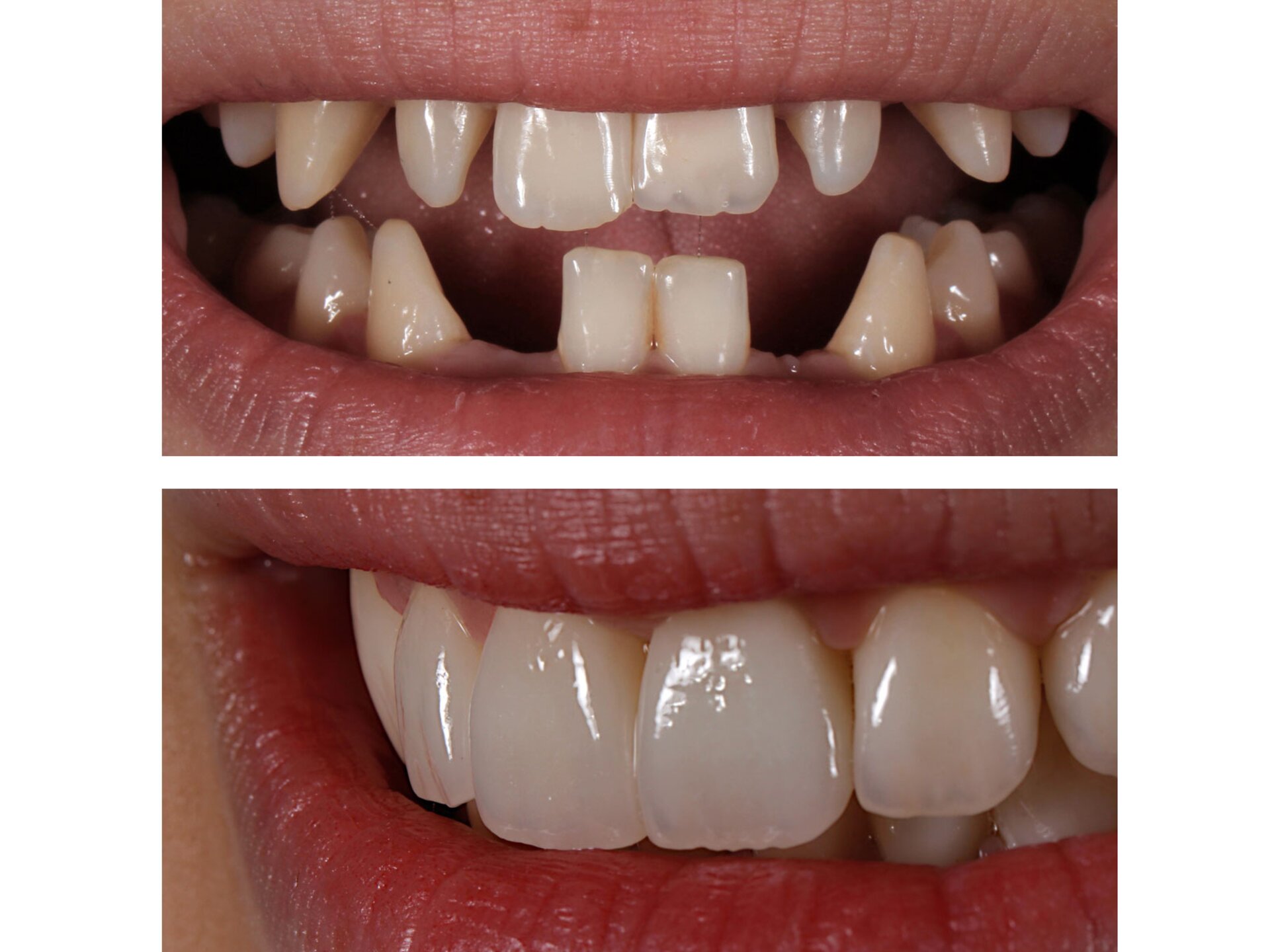
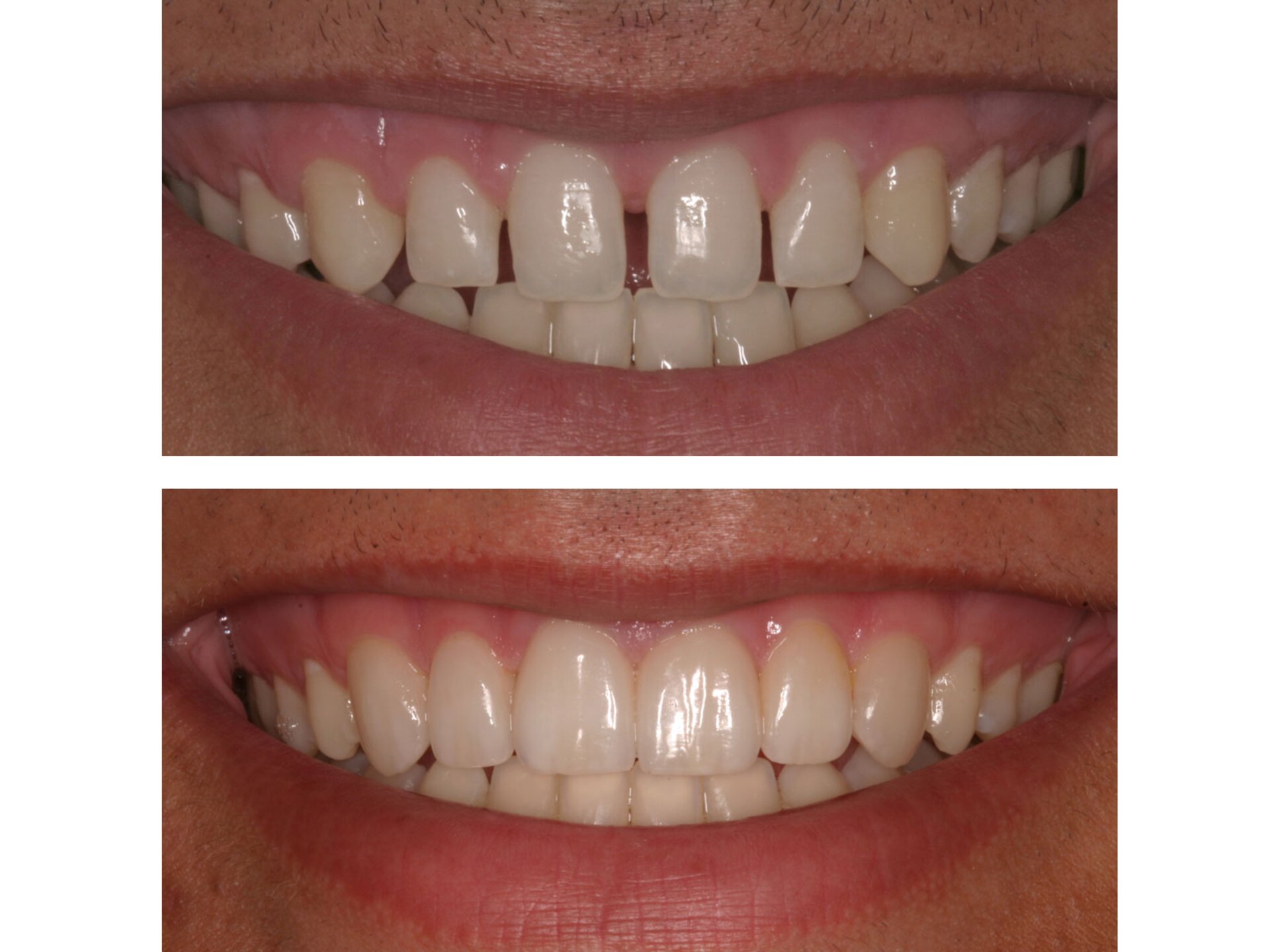
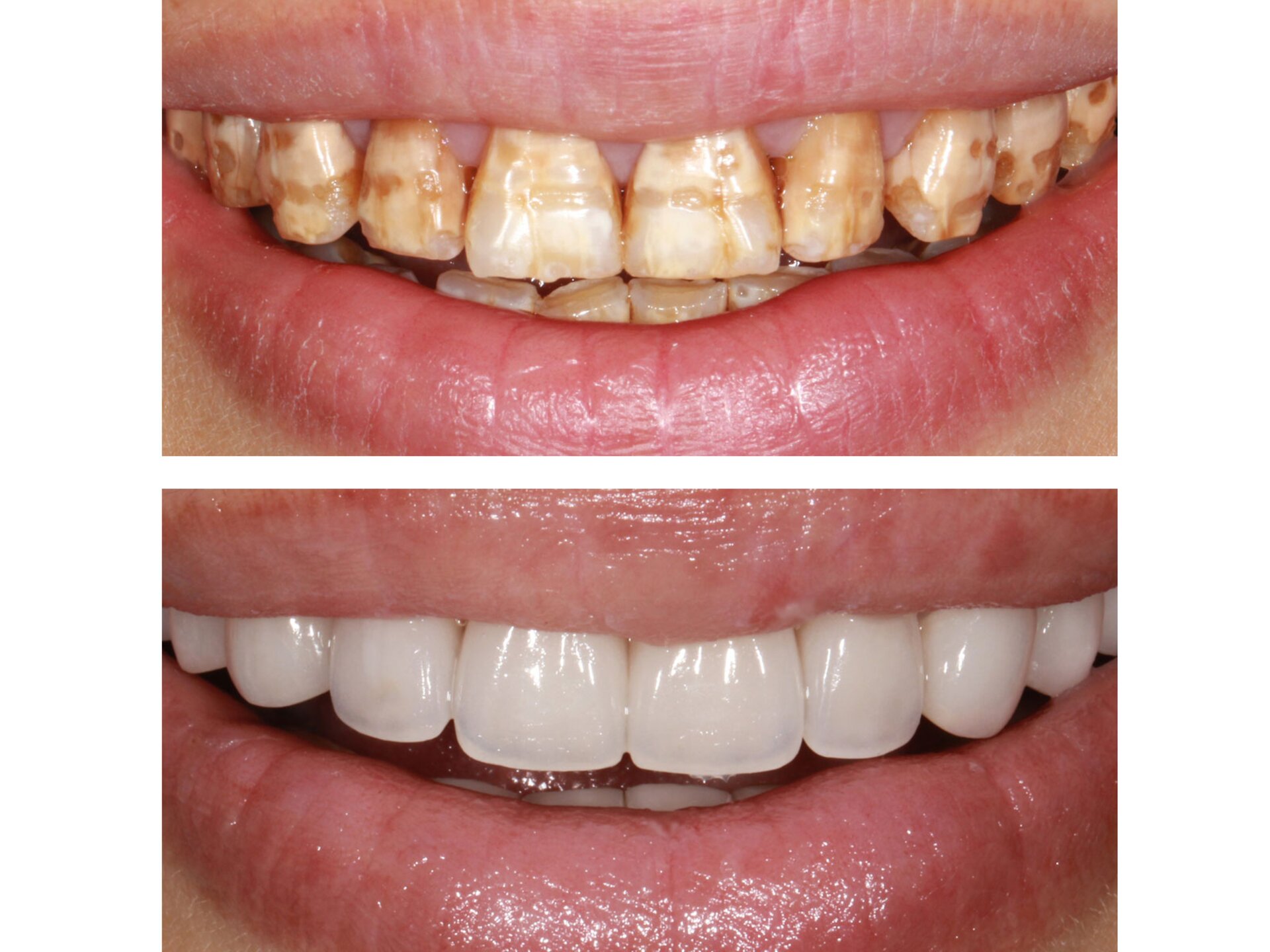
IPS e.max Press Multi: Simplicity that matters, efficiency that pays off

Why dental experts choose IPS e.max Press Multi

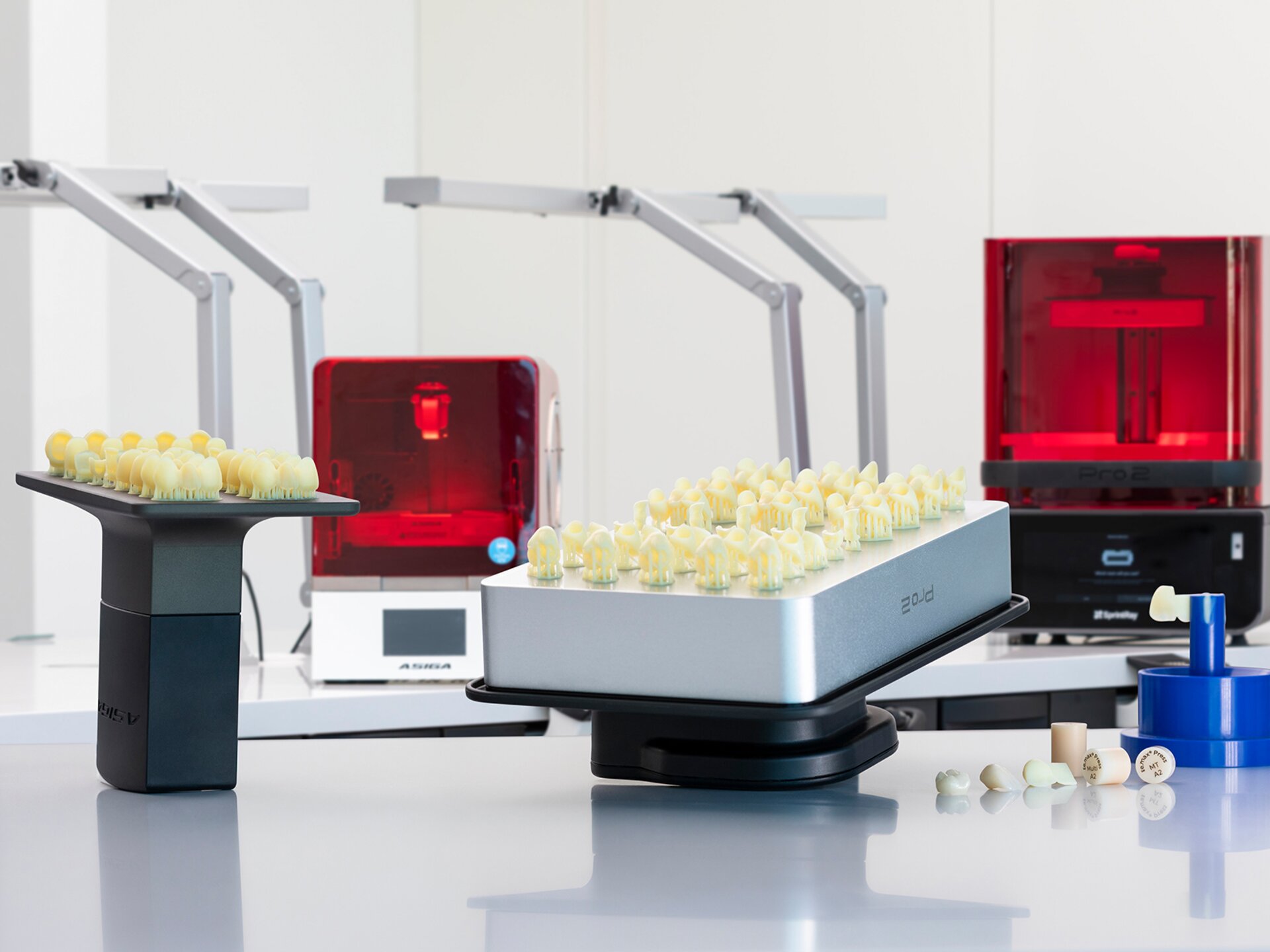
Combine your digital design with the precision of the press technique: You design the restoration digitally, then print or mill it in wax and press it as usual – making this approach a modern and efficient way to work with press technology. Use existing equipment such as your press furnace to create several crowns in a single press cycle, while your milling machine works on other jobs at the same time.
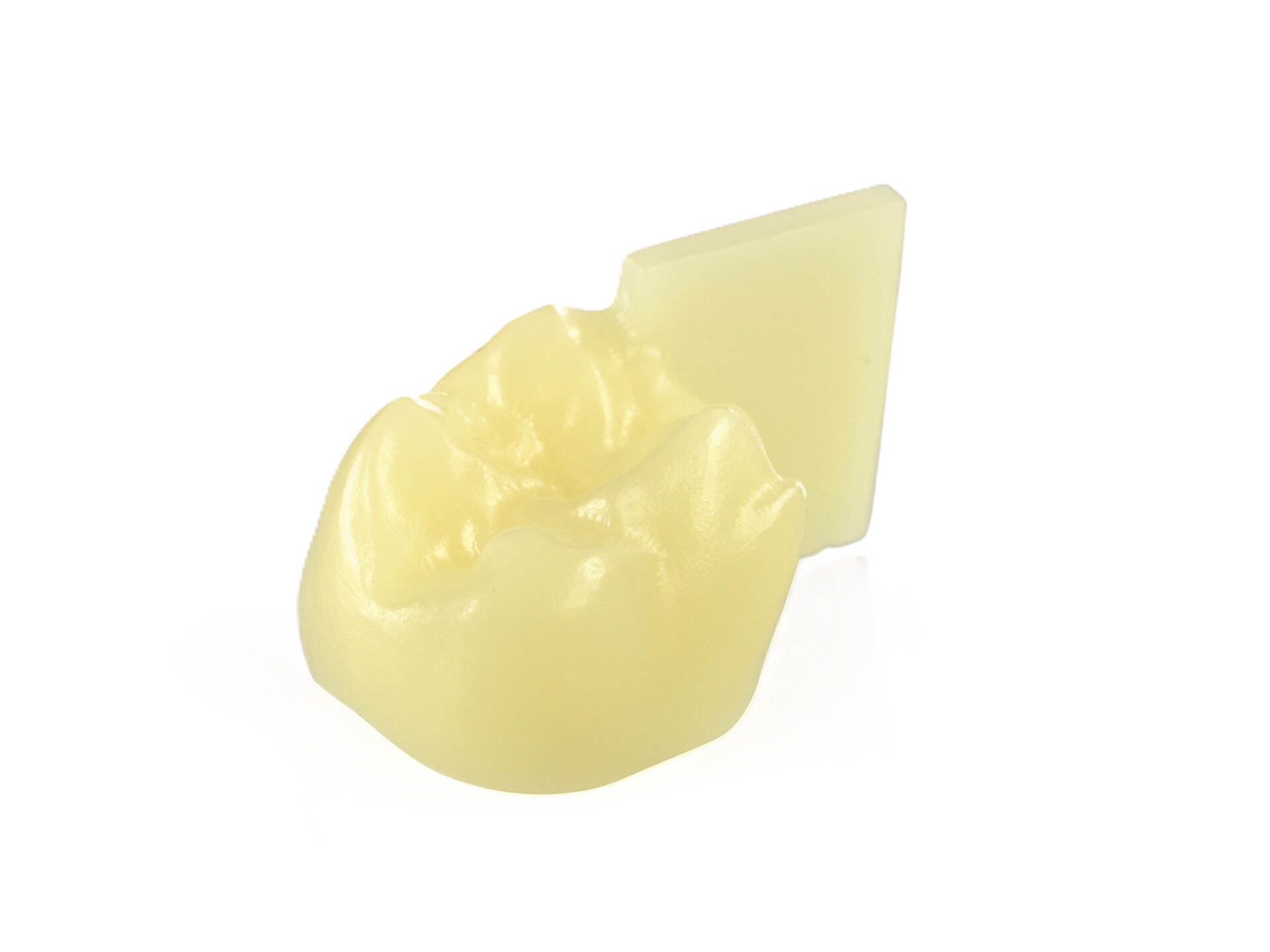
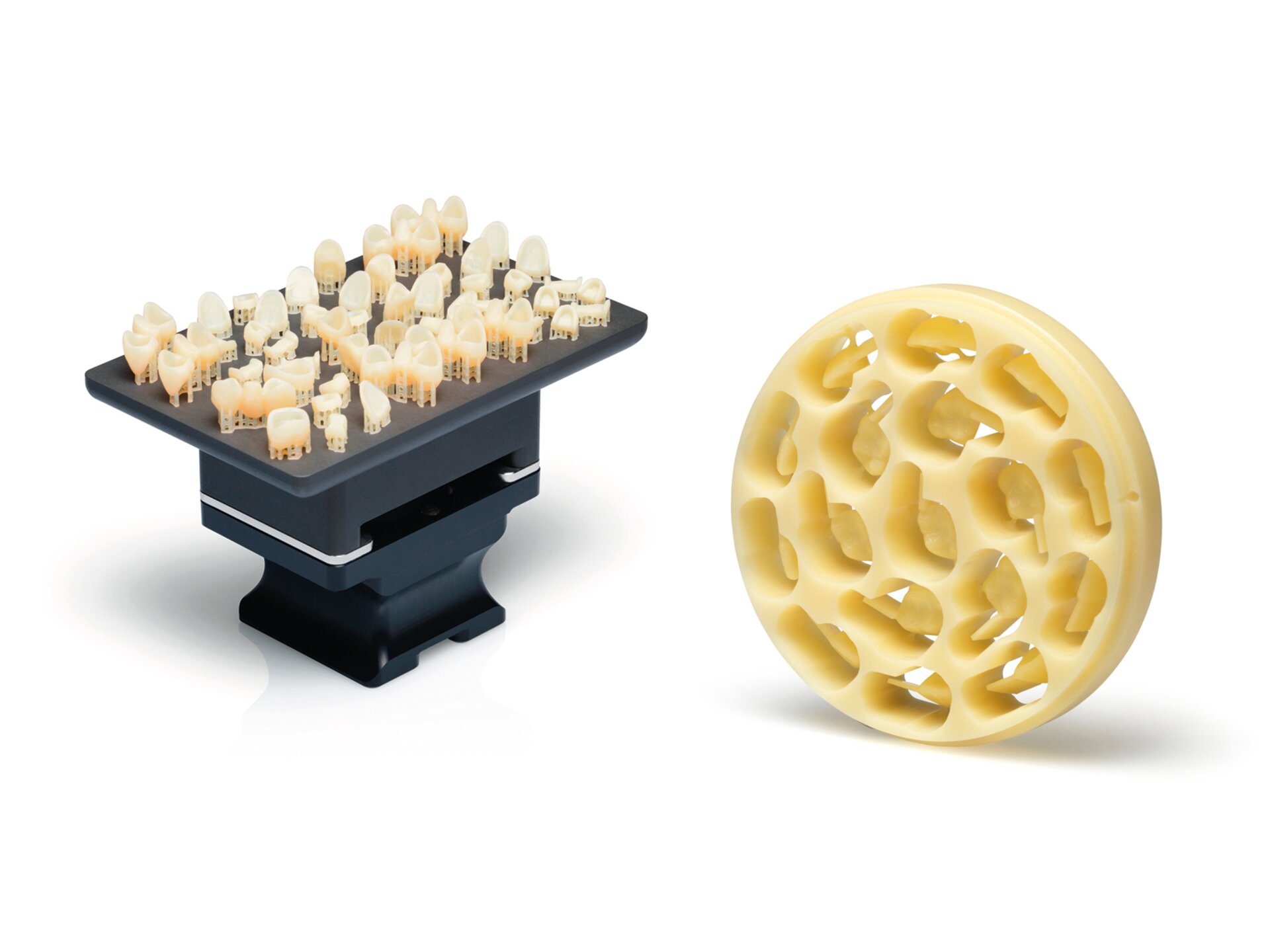

Thanks to its special microstructure, the IPS e.max Press lithium disilicate glass-ceramic combines high strength with excellent light transmission – for natural esthetics, biocompatibility and reliable clinical results. Five levels of translucency, plus Multi and Impulse ingots, offer different optical effects and solutions for a variety of clinical situations. Select a suitable ingot to suit the case at hand and the preferred processing technique (staining, cut-back or layering technique).
IPS e.max Press
Overview of
IPS e.max Press ingots
The only press ingot with integrated progression of shade and translucency combines impressive esthetics with high strength. The harmonious transition from dentin to incisal minimizes the need for manual characterizations, making this ingot an excellent choice for the efficient fabrication of monolithic anterior and posterior crowns, including in esthetically demanding cases.
- 9 A–D shades (A1, A2, A3, A3.5, B1, B2, C1, C2, D2) and 1 Bleach shade (BL2)

This ingot is especially designed for restorations with pronounced opalescent characteristics. It is particularly suitable for (very thin) veneers on light tooth shades, where an opalescent effect is desired. Thanks to its lively light dynamics and natural enamel-like appearance, it allows targeted esthetic accents to be created in the anterior region.
- 2 brigthness variants (Opal 1, Opal 2), each in 2 sizes

(High Translucency)
Because of its high translucency – similar to natural enamel – and its exceptional adaptation to the remaining tooth structure, this ingot is ideal for smaller restortions, such as inlays, onlays or veneers.
- 16 A–D and 4 Bleach BL shades, each in 2 sizes

(Medium Translucency)
The most versatile and popular ingot. Its balanced translucency and opacity give restorations a vibrant, lifelike appearance without greying, along with an impressive chameleon effect. Ideal for veneers, anterior crowns, posterior crowns and bridges.
- 12 A–D and 3 Bleach shades (A1, A2, A3, A3.5, B1, B2, C1, C2, D2, BL2, BL3, BL4), each in 2 sizes

(Low Translucency)
The combination of balanced light transmission and effective masking properties delivers harmonious esthetic results, making this ingot the ideal choice for crowns and bridges in the posterior region in particular. In conjunction with the cut-back technique, this ingot is also suitable for highly esthetic anterior restorations, where shade control and individualization are the priority.
- 16 A – D and 4 Bleach BL shades, each in 2 sizes

(Medium Opacity)
With its medium opacity, this ingot results in substructures that reliably mask slightly to moderately discoloured preparations and offers a good balance between translucency and opacity. It provides an ideal foundation for the layering technique.
- 5 group shades (MO0, MO1, MO2, MO3, MO4), each in 2 sizes

(High Opacity)
This ingot is characterized by its high opacity and is optimally suited for masking severely discoloured preparations and metal substructures. It offers maximum masking performance and provides a stable foundation for fully veneered restorations.
- 3 group shades (HO1, HO2, HO3), each in 2 sizes

From a processing point of view, all restorations can be fabricated with any ingot. For reasons of esthetics and the dental-lab protocol, the following processing techniques and applications are recommended.
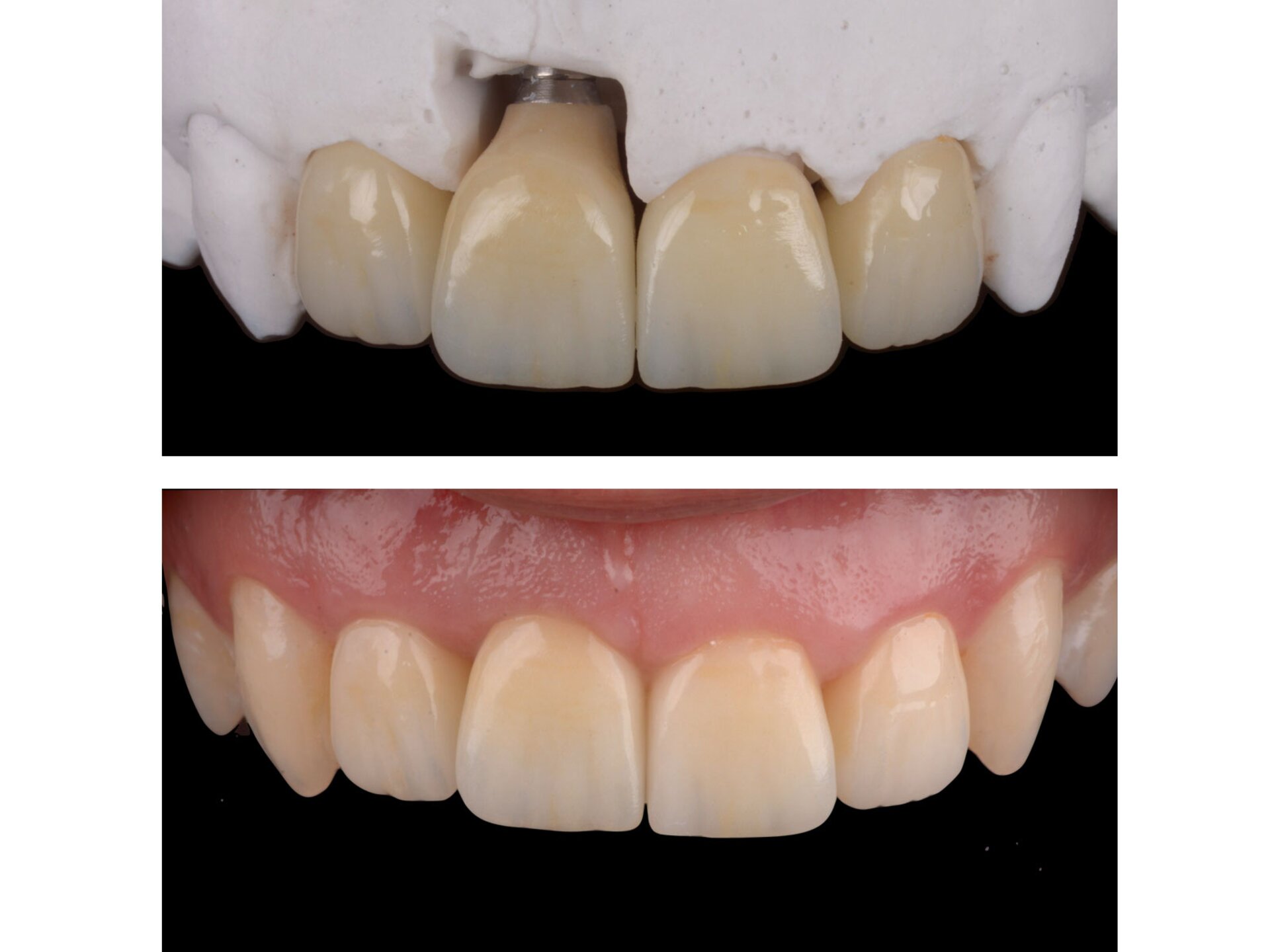
IPS e.max Press is ideally suited for functional and esthetic abutments and abutment crowns. Abutment crowns made with IPS e.max Press showed a 95% survival rate over 10 years, while screw‑retained versions achieved 100% in the same study.[4]
- Good biocompatibility with oral mucuous membrane
- Reliable bond to titanium bases thanks to coordinated cementation materials (Multilink Hybrid Abutment)
- Esthetic restorations in the peri-implant area
- functionality, efficiency and easy access to the implant screw (abutment crowns)
- Especially suitable for abutments: LT, MO and HO ingots for controlled opacity
- Especially suitable for abutment crowns: Multi, MT and LT ingots


IPS e.max Press Accessories
Various accessories facilitate and support the processing of IPS e.max Press restorations.
Various accessories facilitate and support the processing of IPS e.max Press restorations.

The IPS e.max guarantee
By choosing IPS e.max materials you are making the right choice, because these materials have proven their long-lasting clinical performance on a daily basis.[1] Our promise to you, the dentist and the dental technician, is backed up by our guarantee.
By choosing IPS e.max materials you are making the right choice, because these materials have proven their long-lasting clinical performance on a daily basis.[1] Our promise to you, the dentist and the dental technician, is backed up by our guarantee.
[1] IPS e.max Scientific Report Vol. 4, Ivoclar Vivadent, Liechtenstein, 2025
[2] Malament et al., J Prosthet Dent. May;121(5):782-790, 2019 und Prosthet Dent. Oct;126(4):533-545, 2019 und Margvelashvili-Malament et al. Prosthet Dent. Jul; 133(3), 797-746, 2024
[3] Edelhoff et al, J. Esthet Restor Dent, Jan;35(1):116-128, 2023
[4] Naumann et al, Poster for Europerio11, May 2025: PR492