

今日の歯科技工所は、効率性と長期的な臨床成果の両立が求められています。IPS e.max プレスは、その実現を強力にサポートします。
耐久性と審美性に優れたこのプレス用セラミックは、アナログからデジタルまでのあらゆるワークフローに対応しており、従来のワックスアップから高度なデジタルプレスデザインに至るまで、卓越した結果をもたらします。
IPS e.max プレスの多彩な可能性をぜひご体験ください。
二ケイ酸リチウムガラスセラミックは、優れた審美性、洗練された光学特性、そして卓越した適合精度を兼ね備えています。長期追跡調査により、平均生存率は95.3%であることが確認されています。[1]二ケイ酸リチウムの生物学的経時変化は、機能面でも審美面でも天然歯と非常に近いものであり、長期にわたる修復物にとって理想的な条件を作り出しています。
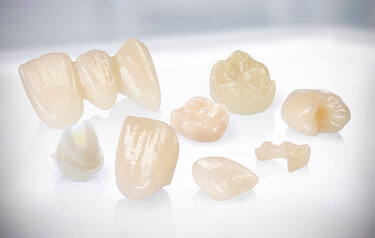
- ベニア(0.3mm以上)
- インレー
- オンレー(咬合面ベニア(厚さ1.0mm以上)を含む)、部分クラウン
- クラウン(前歯部および後歯部で厚さ1.0mm以上)
- 第2小臼歯を末端支台歯とする3ユニットブリッジ
- インプラント支持型単歯修復(アバットメントおよびアバットメントクラウン)
- 透明度レベル(HT、MT、LT、MO、HO)
- 多色マルチインゴット
- インパルスインゴット
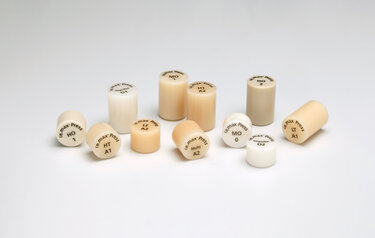
IPS e.max プレスは高いコストパフォーマンスを発揮し、1回のプレス工程で最大4本のIPS e.max プレス マルチクラウン、あるいは修復物の種類によっては6~12個のIPS e.max プレス修復物を製作することが可能です。
最大16.9年間にわたる臨床研究において平均生存率が95.3%を記録しているIPS e.max Pressは、現在入手可能なプレスセラミックの中で最も包括的なデータが蓄積されている製品であり、これは同材料の一貫した品質と、長年にわたるユーザーからの信頼を明確に示しています。この種の材料の中で、これと同等の長期データを提供しているものは他にありません。
Malament博士とそのチームによる研究では、10年間にわたる前歯および後歯のクラウンにおいて99.6%、14.1年間にわたる前歯および後歯のクラウン、インレー、オンレーにおいて98.6%の生存率が報告されています[2]。
エーデルホフ教授による研究[3]では、後方領域におけるモノリシック修復物および前方領域におけるベニア修復物が、中等度から重度の歯磨耗を有する患者においても、最長13年間にわたり100%の生存率を達成したことが示されています。
二ケイ酸リチウムガラスセラミックは、天然歯の強度と硬度に合わせるように設計されています。これにより、天然歯の構造と同様の速度で経年変化します。その結果、この材料の表面特性や形態は、隣接する歯と調和しながら時間とともに変化し、長期にわたって自然な外観と咬合の安定性を維持するのに役立ちます。
IPS e.max プレス製品ラインに関する最新の知見、最新情報、ニュースをいち早くお届けします。ぜひご登録ください!
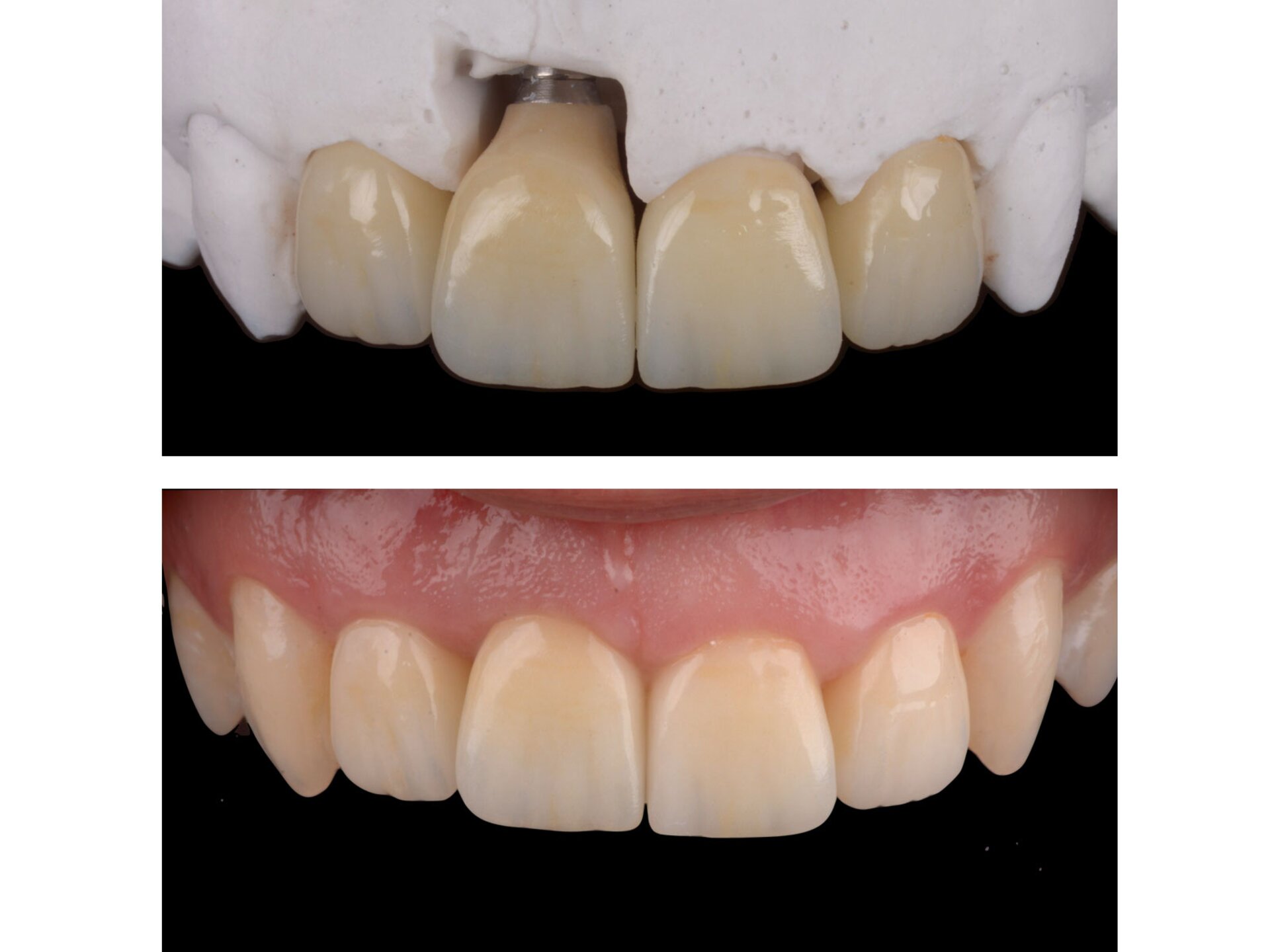
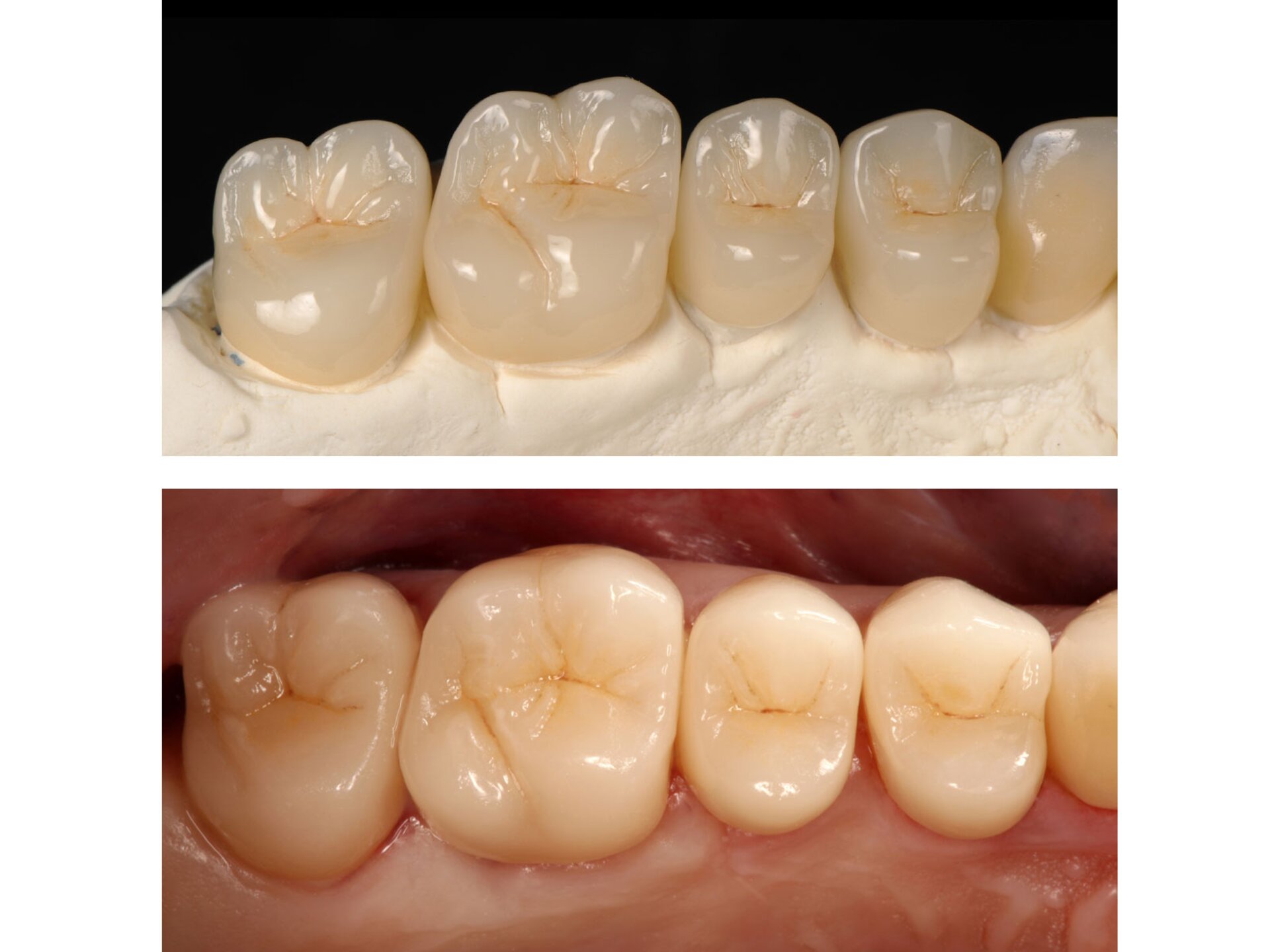
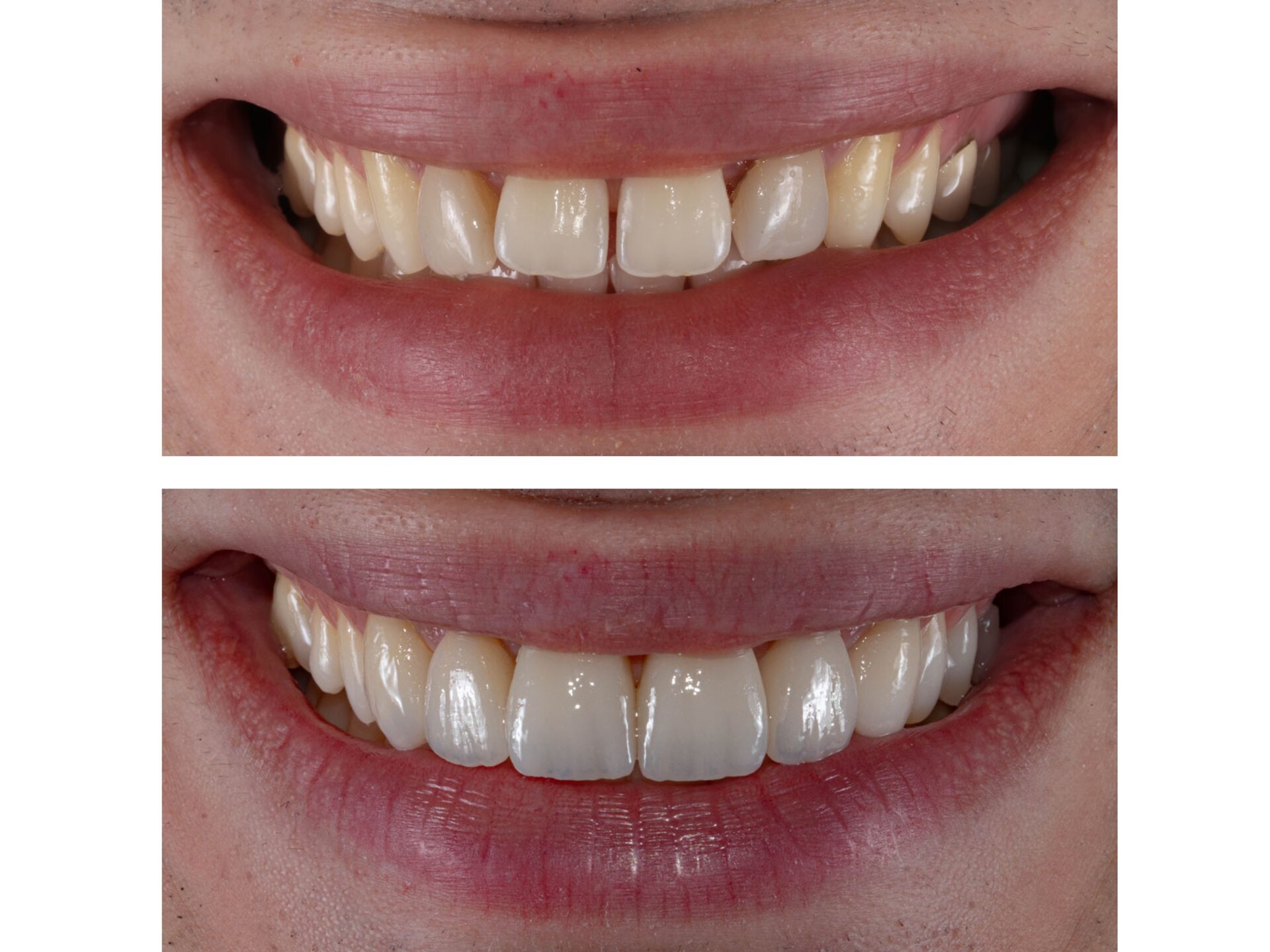
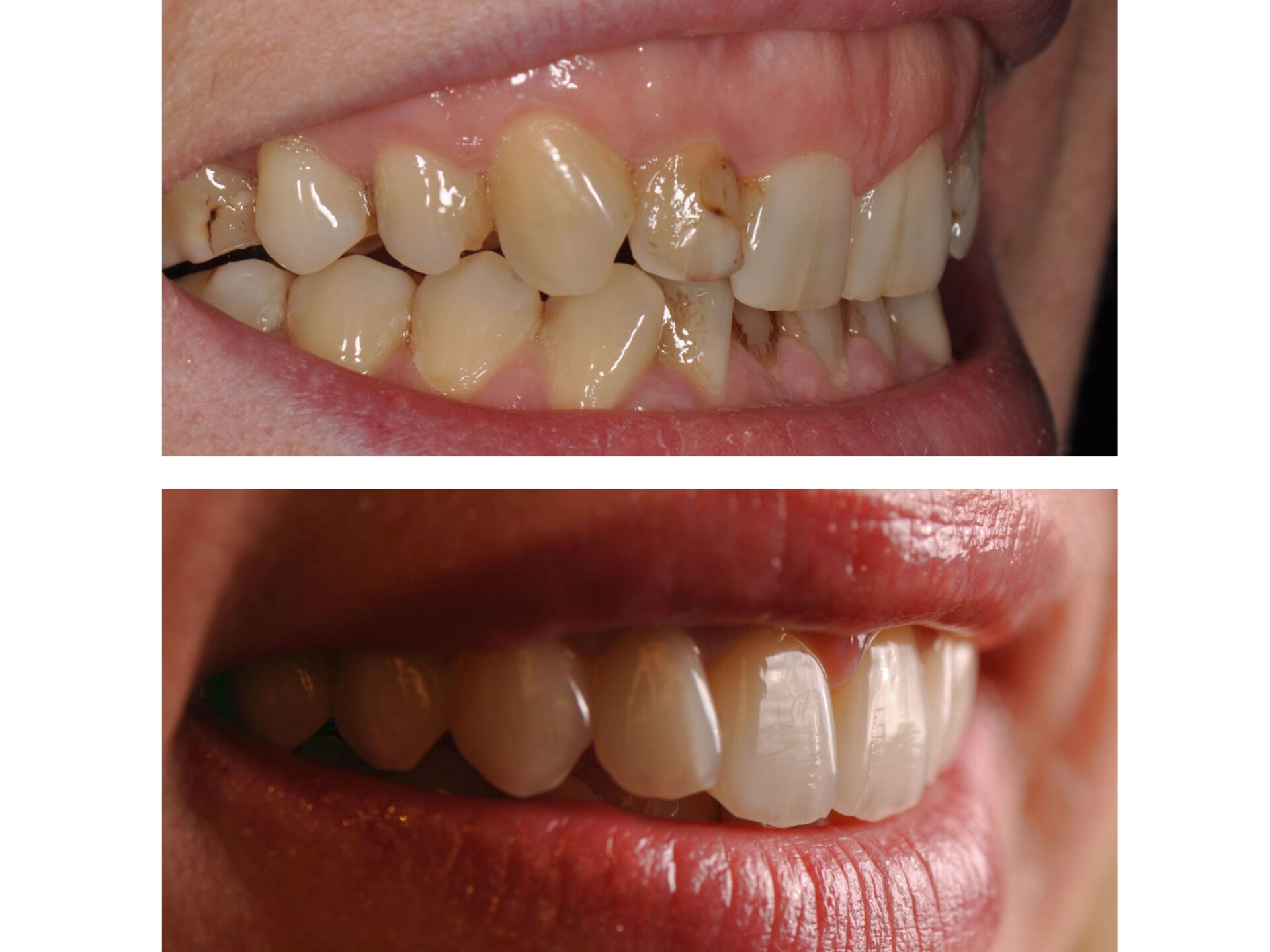
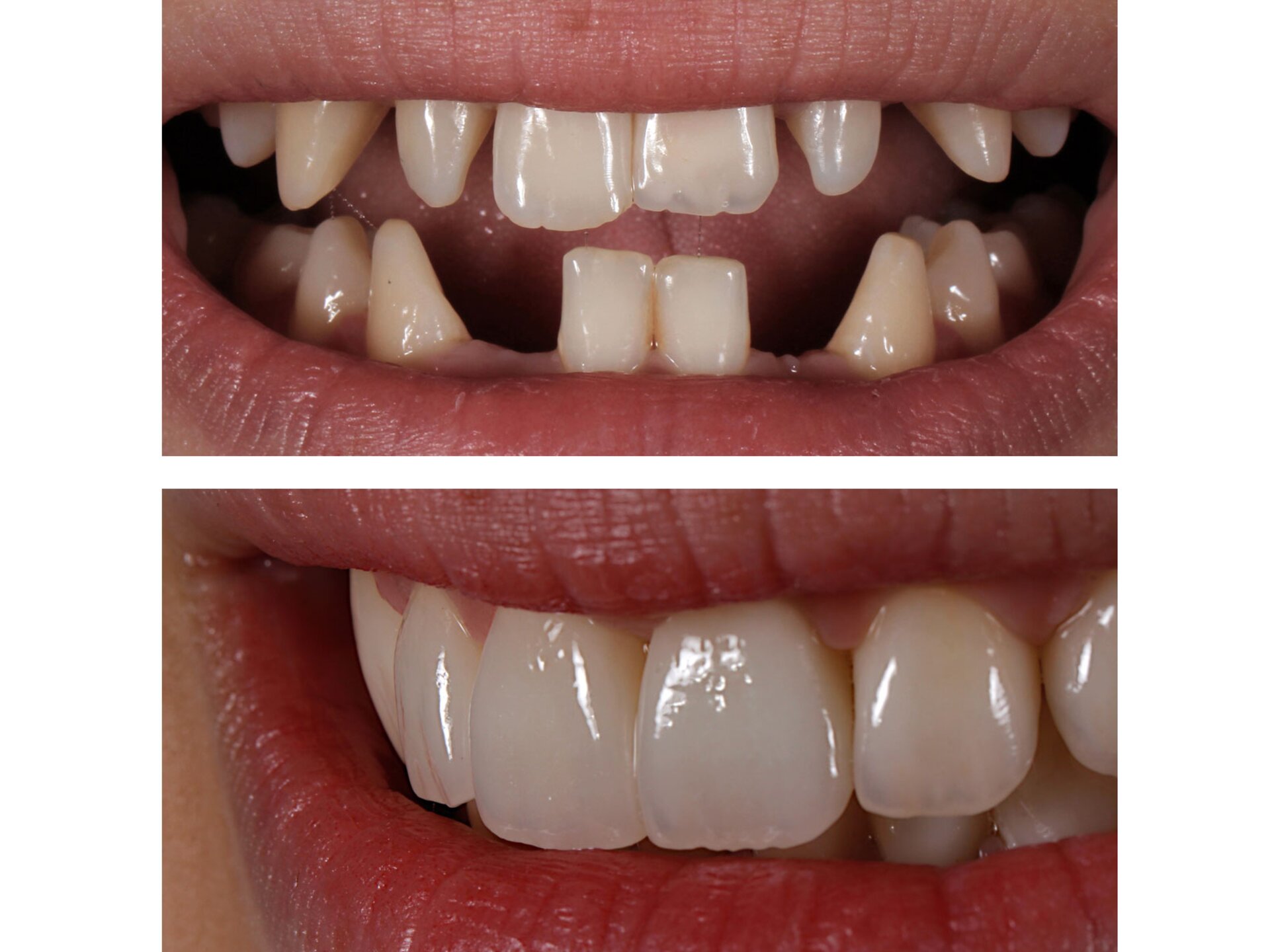
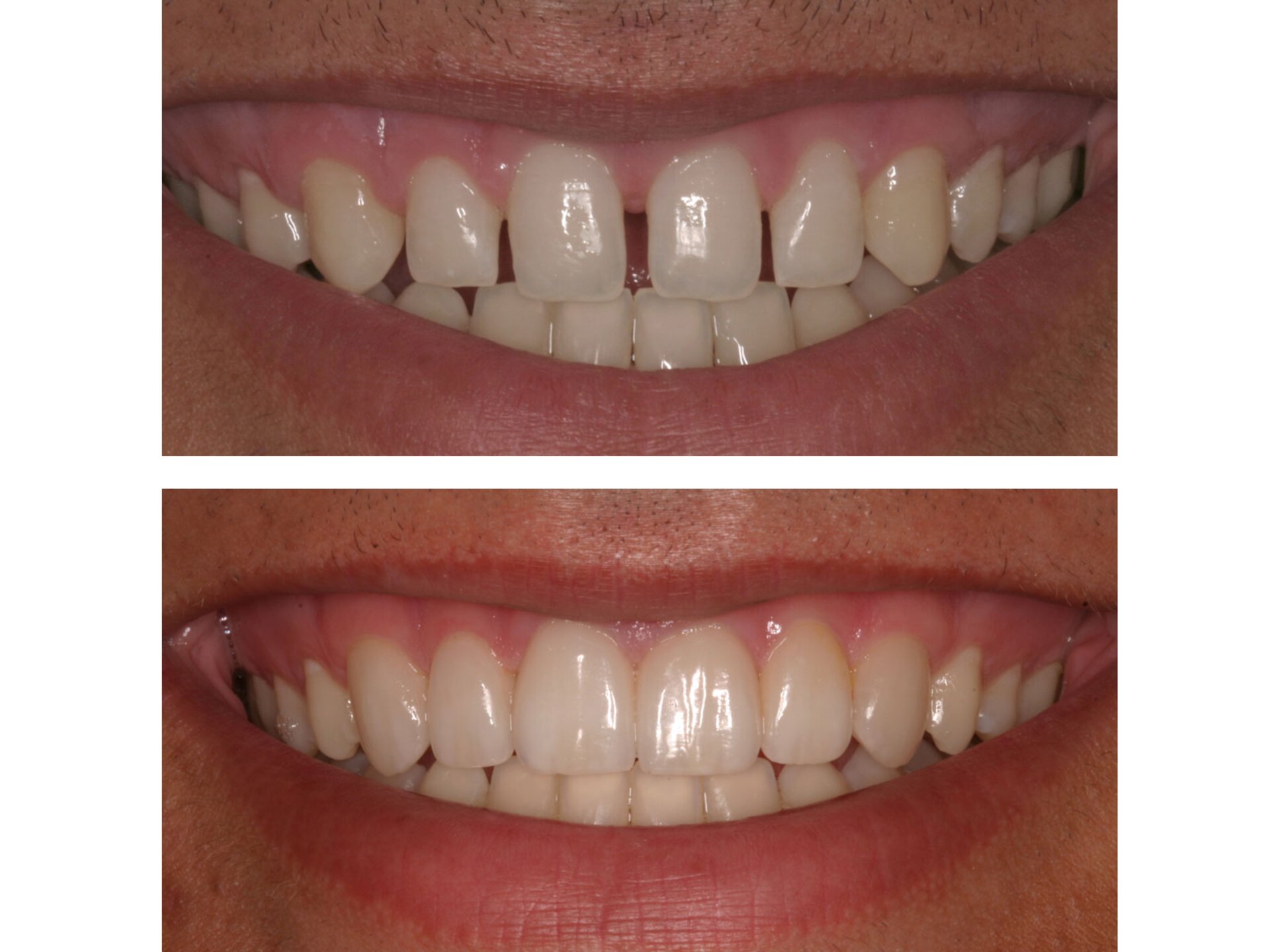
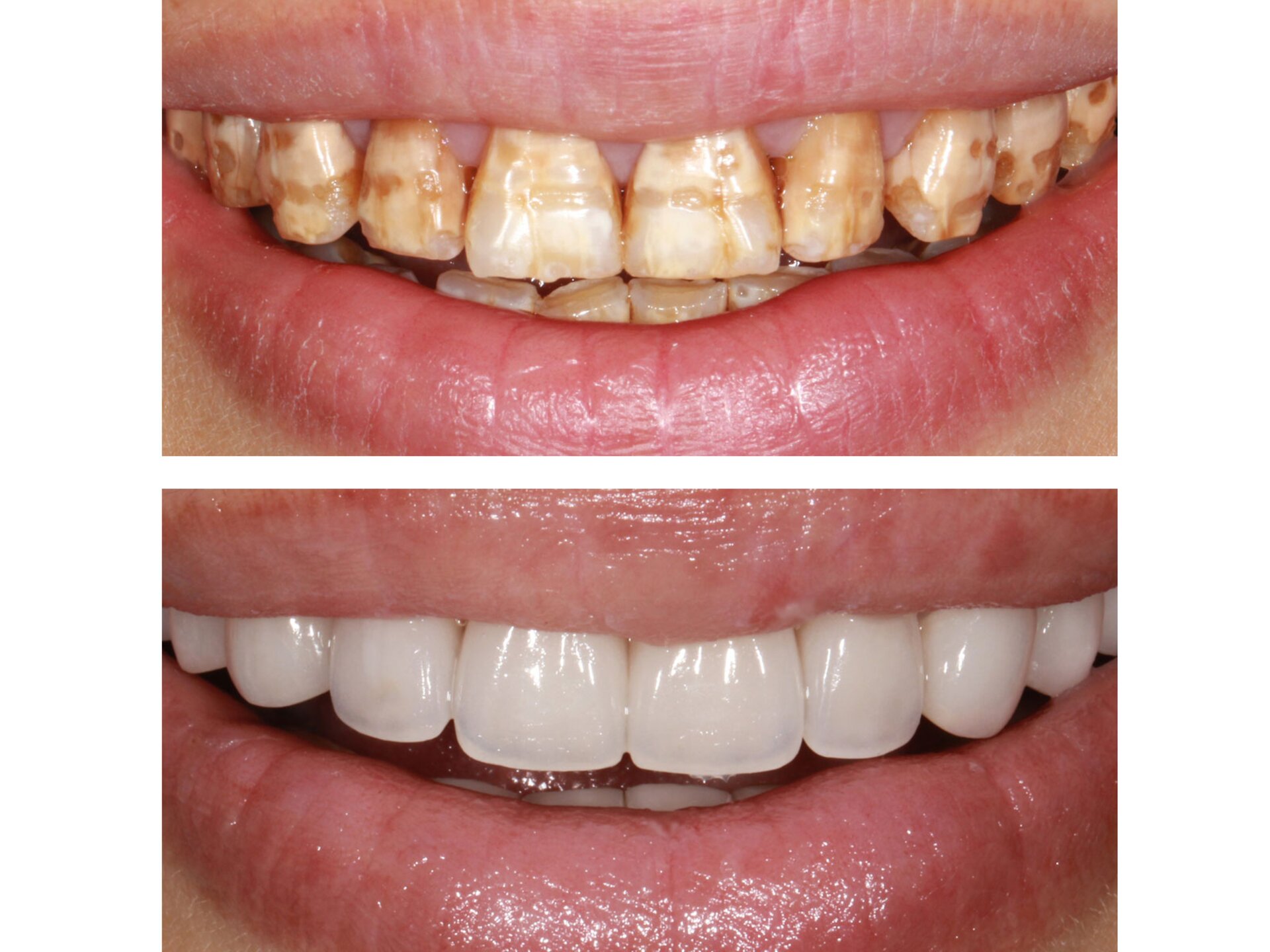
IPS e.max プレス マルチ:重要なのはシンプルさ、その効率性こそが成果をもたらす


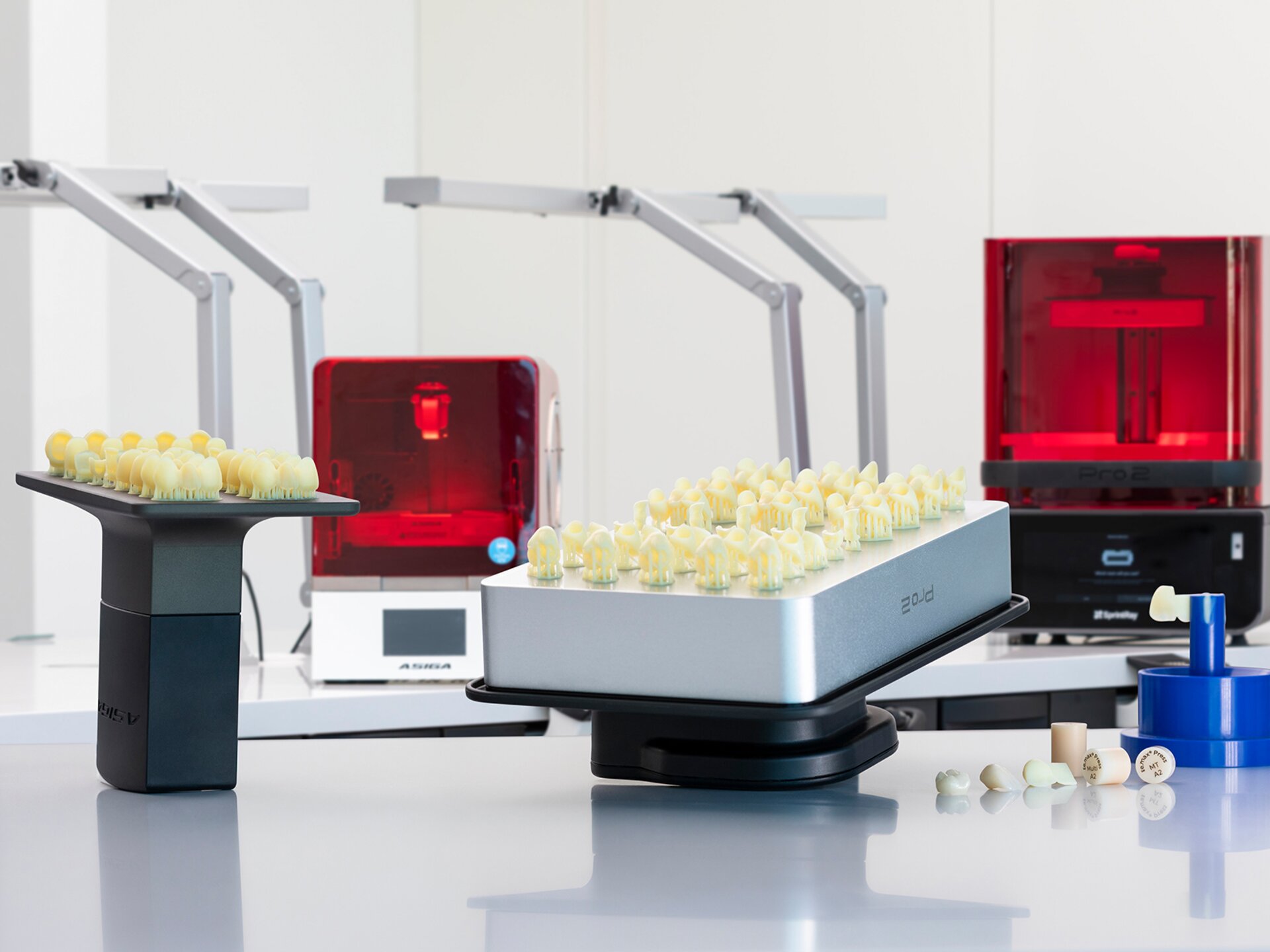
Combine your digital design with the precision of the press technique: You design the restoration digitally, then print or mill it in wax and press it as usual – making this approach a modern and efficient way to work with press technology. Use existing equipment such as your press furnace to create several crowns in a single press cycle, while your milling machine works on other jobs at the same time.
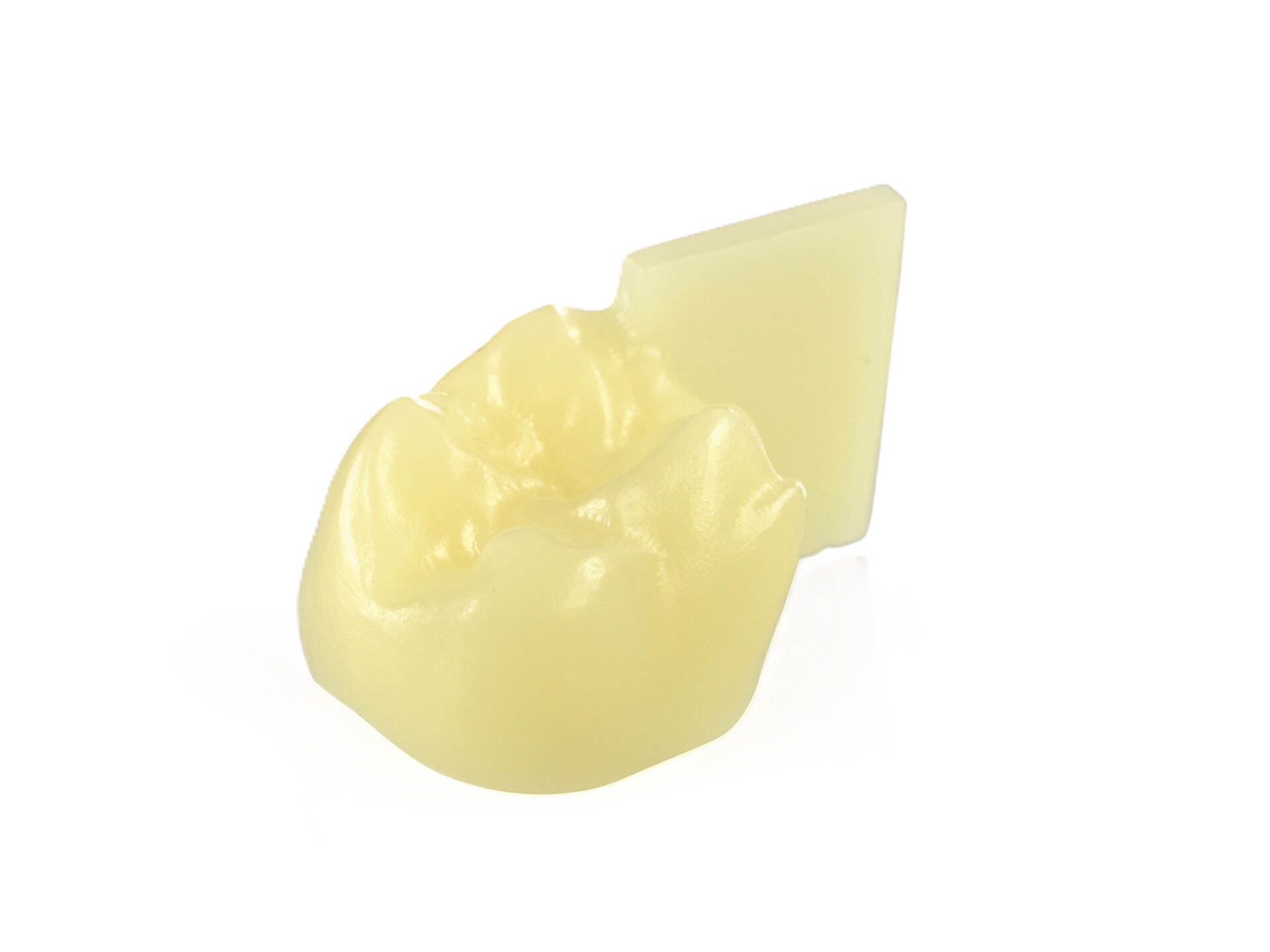
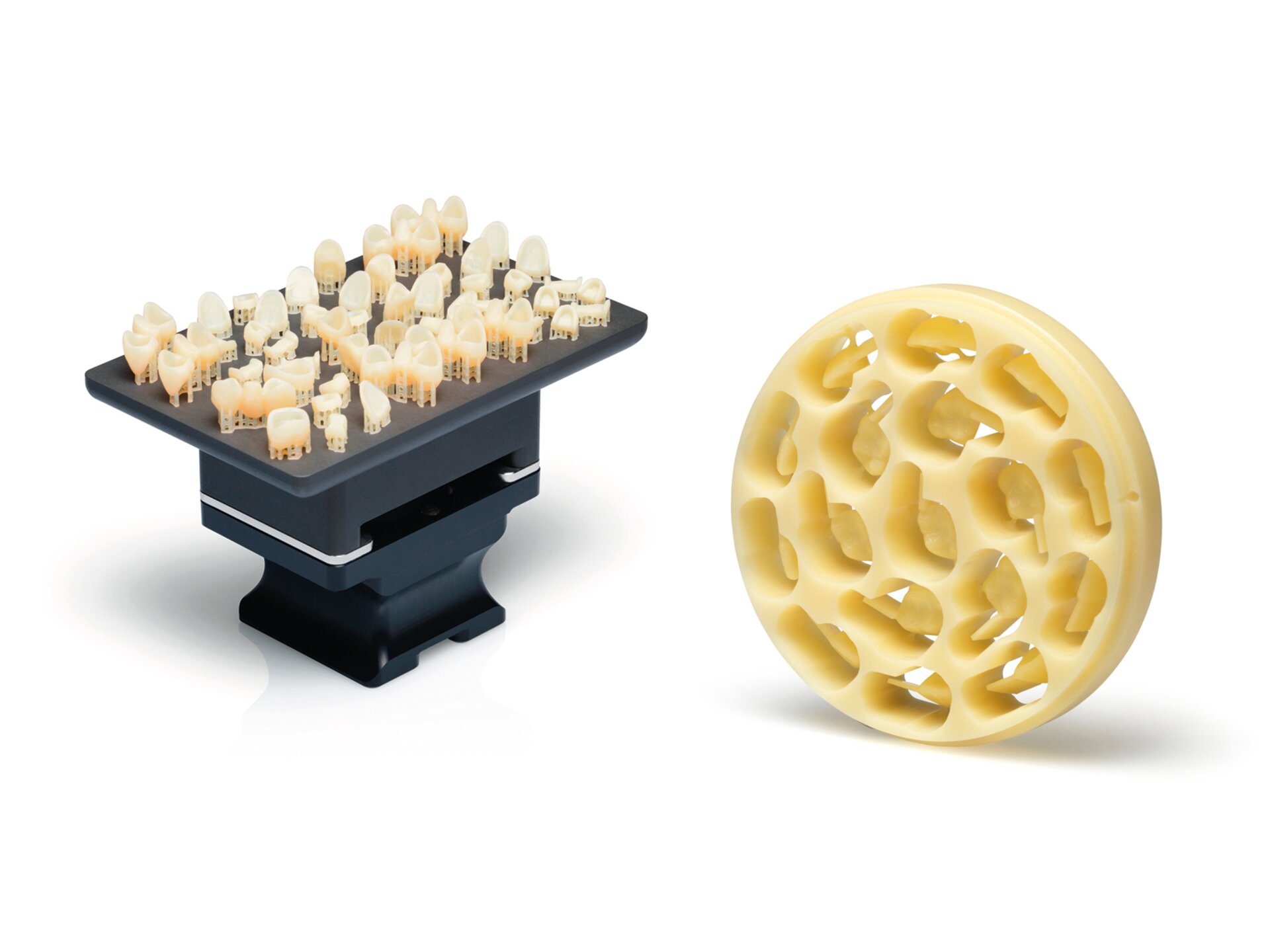

Thanks to its special microstructure, the IPS e.max Press lithium disilicate glass-ceramic combines high strength with excellent light transmission – for natural esthetics, biocompatibility and reliable clinical results. Five levels of translucency, plus Multi and Impulse ingots, offer different optical effects and solutions for a variety of clinical situations. Select a suitable ingot to suit the case at hand and the preferred processing technique (staining, cut-back or layering technique).
IPS e.max Press
Overview of
IPS e.max Press ingots
The only press ingot with integrated progression of shade and translucency combines impressive esthetics with high strength. The harmonious transition from dentin to incisal minimizes the need for manual characterizations, making this ingot an excellent choice for the efficient fabrication of monolithic anterior and posterior crowns, including in esthetically demanding cases.
- 9 A–D shades (A1, A2, A3, A3.5, B1, B2, C1, C2, D2) and 1 Bleach shade (BL2)

This ingot is especially designed for restorations with pronounced opalescent characteristics. It is particularly suitable for (very thin) veneers on light tooth shades, where an opalescent effect is desired. Thanks to its lively light dynamics and natural enamel-like appearance, it allows targeted esthetic accents to be created in the anterior region.
- 2 brigthness variants (Opal 1, Opal 2), each in 2 sizes

(High Translucency)
Because of its high translucency – similar to natural enamel – and its exceptional adaptation to the remaining tooth structure, this ingot is ideal for smaller restortions, such as inlays, onlays or veneers.
- 16 A–D and 4 Bleach BL shades, each in 2 sizes

(Medium Translucency)
The most versatile and popular ingot. Its balanced translucency and opacity give restorations a vibrant, lifelike appearance without greying, along with an impressive chameleon effect. Ideal for veneers, anterior crowns, posterior crowns and bridges.
- 12 A–D and 3 Bleach shades (A1, A2, A3, A3.5, B1, B2, C1, C2, D2, BL2, BL3, BL4), each in 2 sizes

(Low Translucency)
The combination of balanced light transmission and effective masking properties delivers harmonious esthetic results, making this ingot the ideal choice for crowns and bridges in the posterior region in particular. In conjunction with the cut-back technique, this ingot is also suitable for highly esthetic anterior restorations, where shade control and individualization are the priority.
- 16 A – D and 4 Bleach BL shades, each in 2 sizes

(Medium Opacity)
With its medium opacity, this ingot results in substructures that reliably mask slightly to moderately discoloured preparations and offers a good balance between translucency and opacity. It provides an ideal foundation for the layering technique.
- 5 group shades (MO0, MO1, MO2, MO3, MO4), each in 2 sizes

(High Opacity)
This ingot is characterized by its high opacity and is optimally suited for masking severely discoloured preparations and metal substructures. It offers maximum masking performance and provides a stable foundation for fully veneered restorations.
- 3 group shades (HO1, HO2, HO3), each in 2 sizes

From a processing point of view, all restorations can be fabricated with any ingot. For reasons of esthetics and the dental-lab protocol, the following processing techniques and applications are recommended.
IPS e.max Press is ideally suited for functional and esthetic abutments and abutment crowns. Abutment crowns made with IPS e.max Press showed a 95% survival rate over 10 years, while screw‑retained versions achieved 100% in the same study.[4]
- Good biocompatibility with oral mucuous membrane
- Reliable bond to titanium bases thanks to coordinated cementation materials (Multilink Hybrid Abutment)
- Esthetic restorations in the peri-implant area
- functionality, efficiency and easy access to the implant screw (abutment crowns)
- Especially suitable for abutments: LT, MO and HO ingots for controlled opacity
- Especially suitable for abutment crowns: Multi, MT and LT ingots


IPS e.max Press Accessories
Various accessories facilitate and support the processing of IPS e.max Press restorations.
Various accessories facilitate and support the processing of IPS e.max Press restorations.

The IPS e.max guarantee
By choosing IPS e.max materials you are making the right choice, because these materials have proven their long-lasting clinical performance on a daily basis.[1] Our promise to you, the dentist and the dental technician, is backed up by our guarantee.
By choosing IPS e.max materials you are making the right choice, because these materials have proven their long-lasting clinical performance on a daily basis.[1] Our promise to you, the dentist and the dental technician, is backed up by our guarantee.
[1] IPS e.max Scientific Report Vol. 4, Ivoclar Vivadent, Liechtenstein, 2025
[2] Malament et al., J Prosthet Dent. May;121(5):782-790, 2019 und Prosthet Dent. Oct;126(4):533-545, 2019 und Margvelashvili-Malament et al. Prosthet Dent. Jul; 133(3), 797-746, 2024
[3] Edelhoff et al, J. Esthet Restor Dent, Jan;35(1):116-128, 2023
[4] Naumann et al, Poster for Europerio11, May 2025: PR492